This is an editorial research guide, not a hands-on review or medical advice. Product examples are not rankings or claims of personal testing. As an Amazon Associate I earn from qualifying purchases. How our links work.
“Glass skin” is a beauty phrase for a smooth-looking, luminous, almost reflective finish. It is an aesthetic, not a medical description of healthy skin. Real skin has pores, lines, unevenness, and days when it behaves differently. Those features do not mean a routine has failed.
The most useful way to approach this Korean skincare trend is as inspiration for thoughtful care, rather than a finish you must achieve. A photograph also contains lighting, camera settings, makeup, and sometimes editing. It cannot tell you what someone’s skin looks like throughout a normal day.
Separate a finish from skin health
Shine can come from a cosmetic layer or the way light hits a surface. It is not, by itself, proof that skin is hydrated or healthy. A matte finish is not evidence of poor care either. Aim for comfort and practical sun protection before trying to match a particular image.
If a trend encourages you to ignore irritation because a product makes your face look glossy, step back. Appearance and comfort are different observations.
Build a smaller glass skin routine
Keep cleansing comfortable
Choose cleansing steps around what you need to remove. Double cleansing can be a method for removing makeup and sunscreen, but it is not a requirement for luminous-looking skin. Follow directions and avoid adding friction to chase an unusually squeaky finish.
Find a moisturizer you like using
A texture that feels comfortable is easier to keep in your routine. The moisturizer edit explains how to compare textures without assuming the richest formula is always the best.
Keep sunscreen in the picture
Do not replace sunscreen with a glowy serum or moisturizer unless the product is actually labeled and used as a sunscreen. A reflective finish says nothing about UV protection. See our sunscreen guide for the labeling checklist.
Avoid the more-is-better trap
Adding multiple exfoliants, serums, and masks at once makes it difficult to understand what is working comfortably for you. You can appreciate the ritual of skincare without collecting every step. If you already use an exfoliating product, check for overlap before introducing another.
A new cosmetic should earn its place by serving a purpose you can name. Give yourself permission to stop at a cleanser, moisturizer, and sunscreen. More steps do not automatically create a better result.
Read trend content with context
When you save an inspiration image, ask what it actually shows. Is it a makeup look, a studio-lit product campaign, or a personal routine? Is the creator describing their own experience, a brand claim, or research? These are different kinds of information.
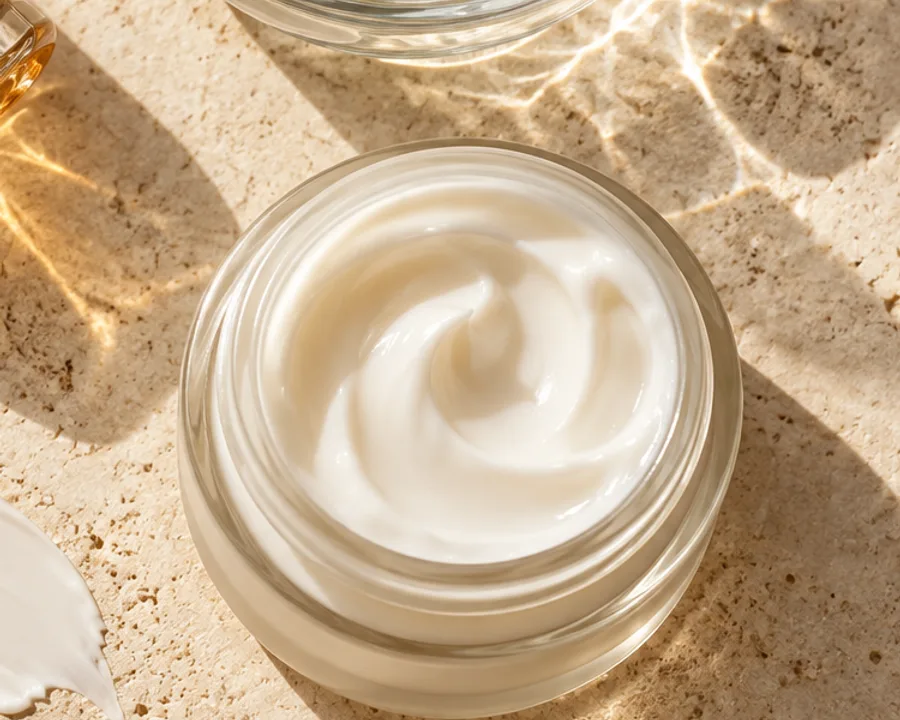
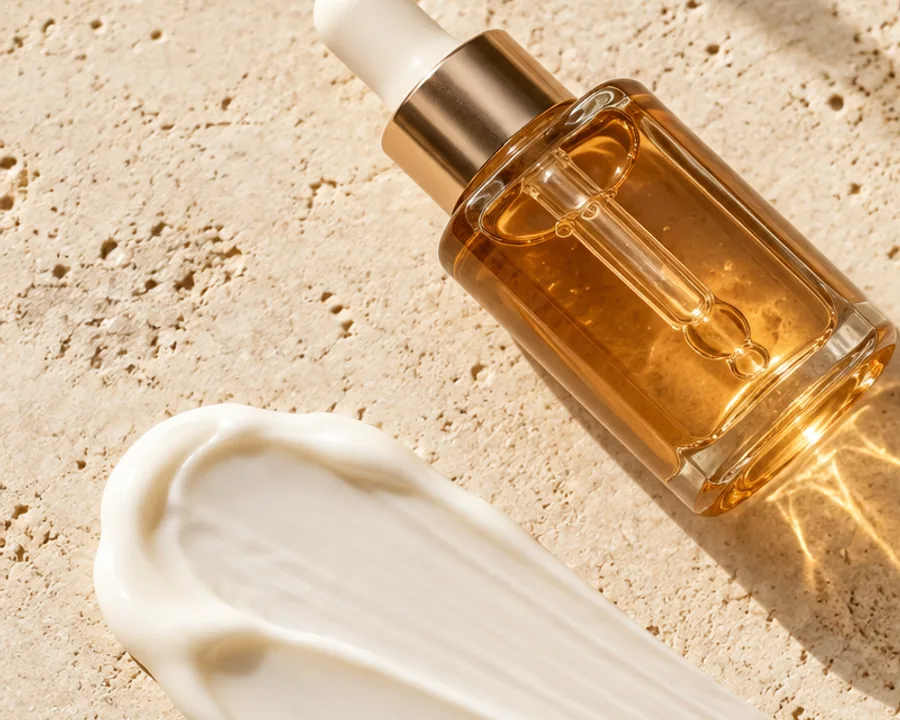
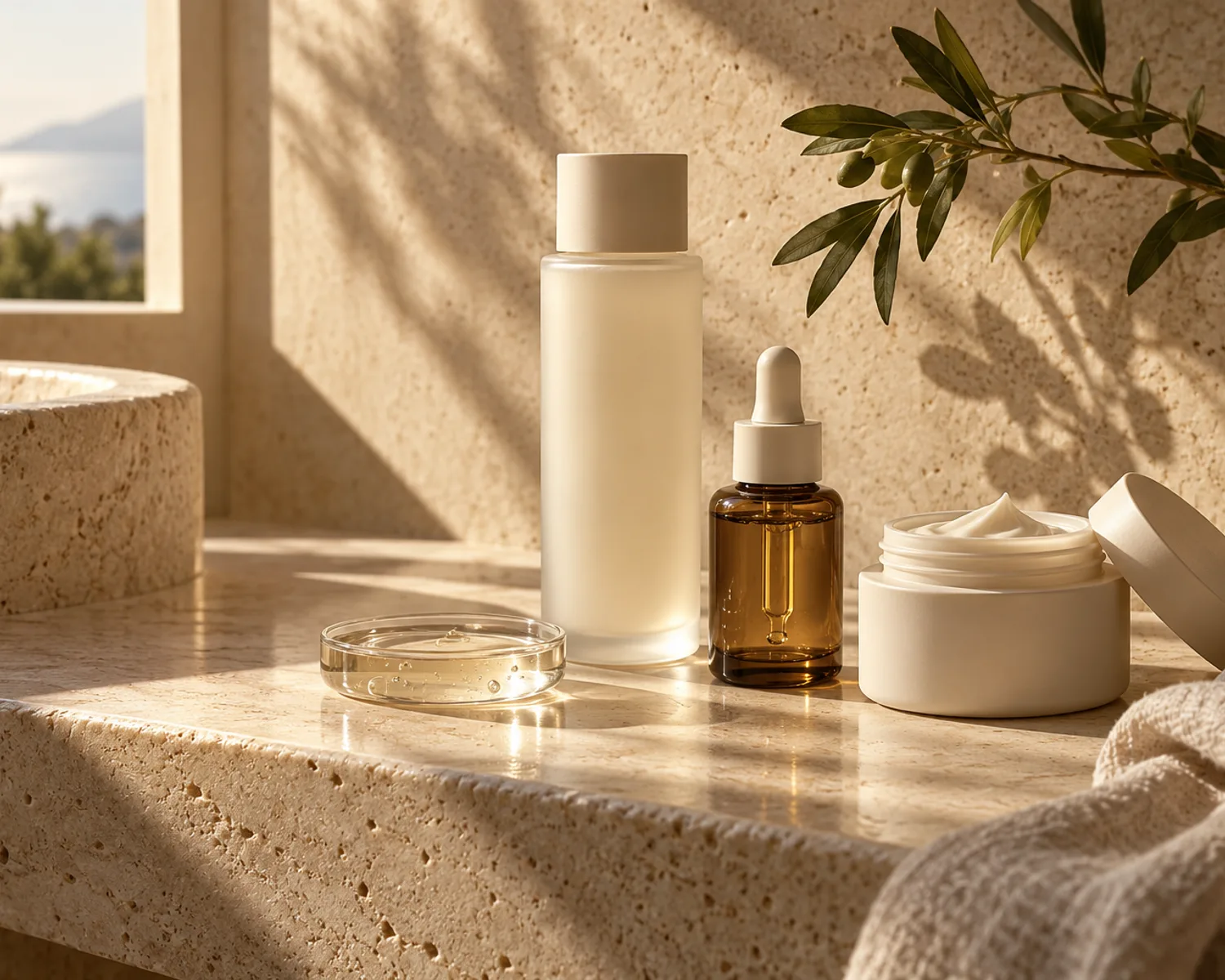
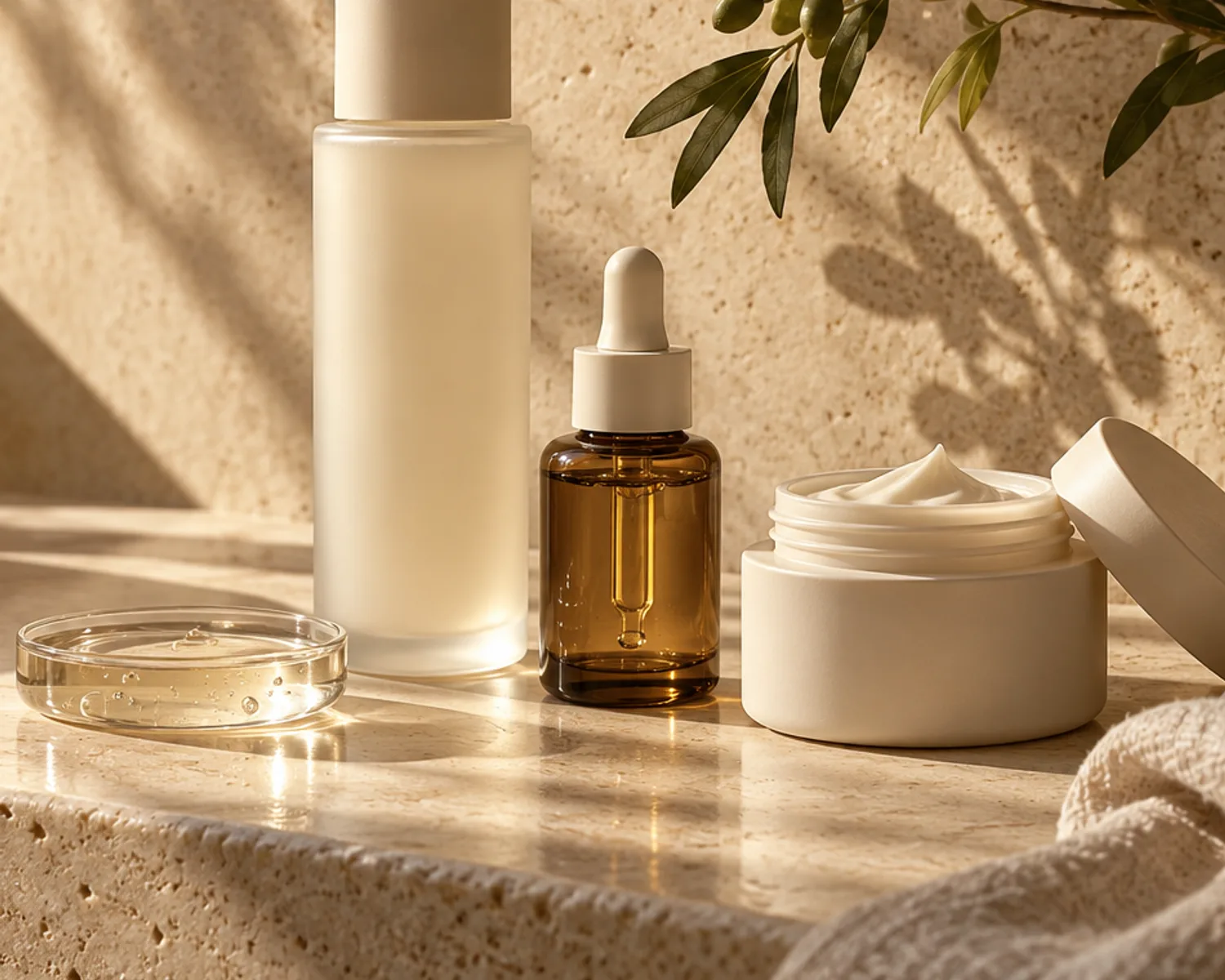
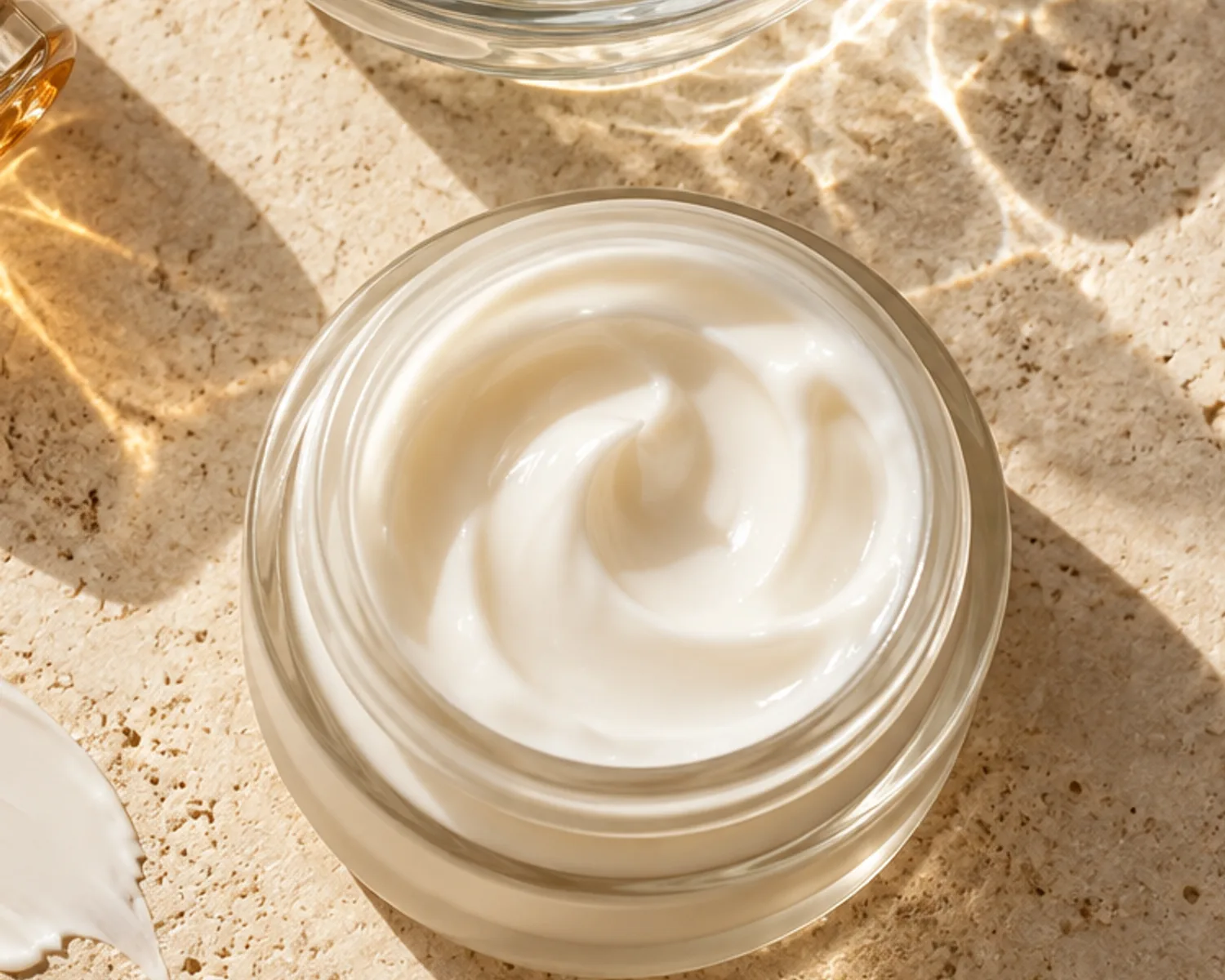
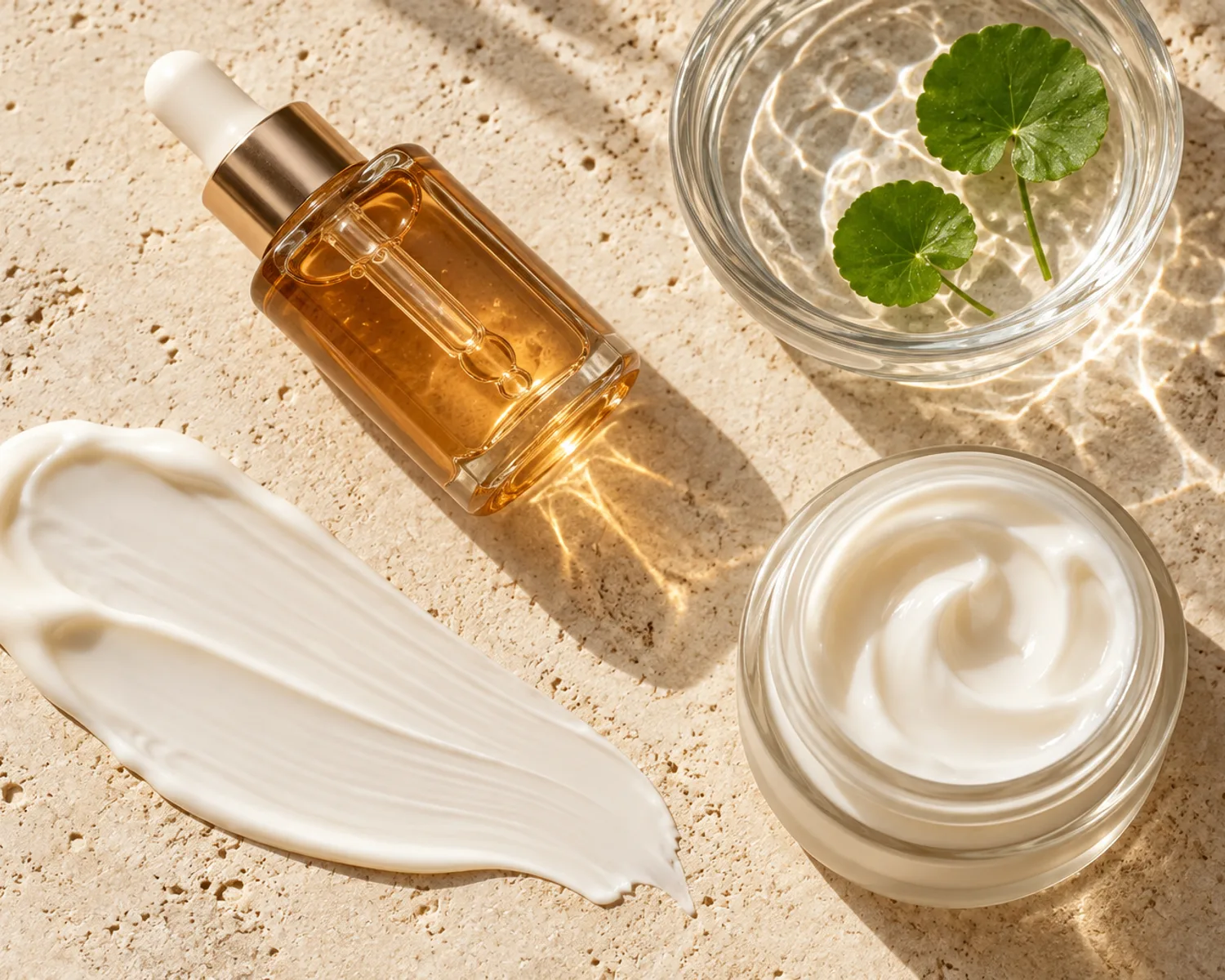
Our own still-life images are illustrative, AI-generated editorial assets. They show a visual mood rather than a result you should expect from a product. We do not publish before-and-after claims or promise a poreless finish.
If the trend makes skincare feel more enjoyable, borrow that sense of attention. If it makes ordinary texture feel unacceptable, a simpler routine and fewer comparison images may be a better direction. Start with our guide for beginners and build at your own pace.
Sources and further reading
The discussion of visual trends is editorial interpretation. General care references consulted October 31, 2026.